Europe Trip
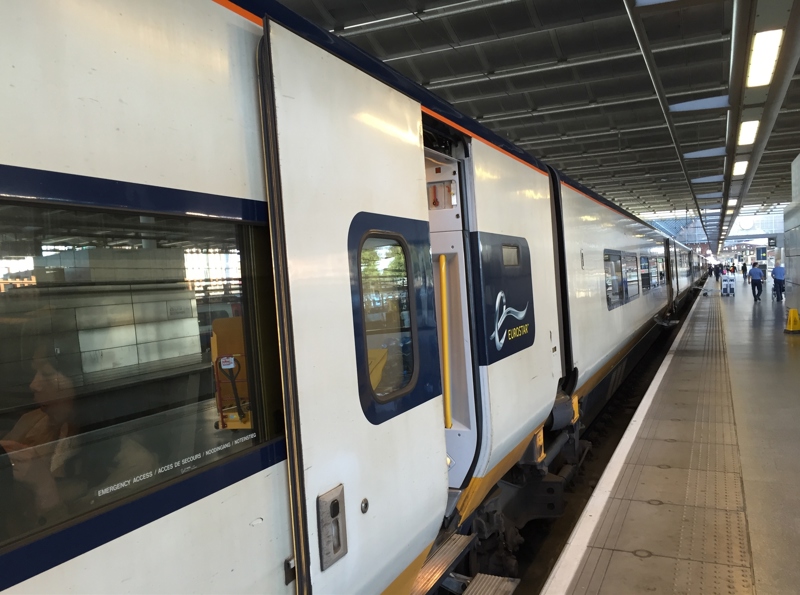
St Pancras Station is the international gateway for train travel departing London. The trains from the continent used to terminate at Waterloo station, however the French objected to being constantly reminded of one of their greatest military defeats every time they arrived by train in the UK. So in 2007 the international services were transferred to St Pancras, named after a Roman citizen who converted to Christianity…… only to be beheaded for his endeavours at the tender age of fourteen.
We had pre-booked car transport large enough for five passengers, four suitcases and a stroller……. and so the driver arrives with a car for four passengers and barely enough boot space. I was open to taking our favourite double decker bus from the front door to Vauxhall station, as from there it’s only about five stops direct to St Pancras with wheelchair access, however Amelia was having none of that, so we instead travelled by car with Oscar on my lap.
On arrival our boarding passes were scanned and we then went straight through security, and then two sets of immigration – first we had our passports scanned as we officially departed the UK and then we walked five meters to a French station and dug out the passports our again for stamping and official entry into France (which was logical and efficient however it did feel odd as we were still in the middle of London).
We’d booked four seats facing each other with a small table in the middle on one side of the 300m train, which worked perfectly for us – even more so because I had three seats around me free on the other side. Spreading ourselves out, we stopped just once in the UK before arriving in Paris approximately two and a half hours later.
High speed (approximately 300km/hr) train travel is quite unlike anything we experience in Australia. The train goes so fast you feel a bit sick if you try and look at anything close by that’s flying past, especially if you’re facing backwards. In the London to Dover section we were in and out of tunnels and when above ground everything was a blur. There’s a strange sensation as your ears equalise rapidly as the train climbs and descends up hills and through tunnels. The channel crossing is quick, maybe twenty minutes in duration, and in no time we were through and noticing the high wire fences on the Calais side in an effort to secure the tunnel entrance. On the French side there’s more open space, and if you could put the rushing foreground to one side, it’s possible to get a good look at the acres of paddocks and farmlands, windmills and odd villages as they quickly pass.
It felt like we arrived in Paris in no time and we then beat off a few transport sharks at Gare du Nord who offered us €60 (around AUD$90) to drive us the short distance to the Bastille area. The regular taxi (seven seater plus large luggage area) service was perfect – prompt, efficient and costing €17 instead.
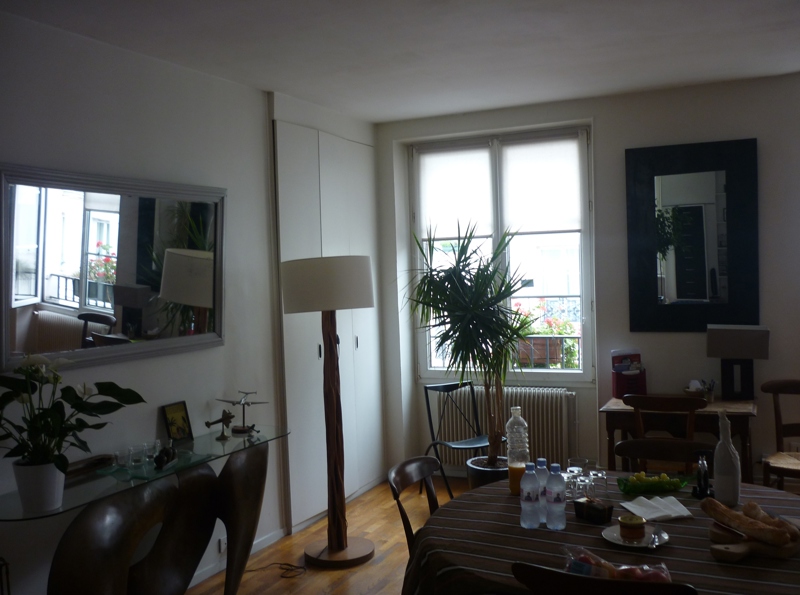
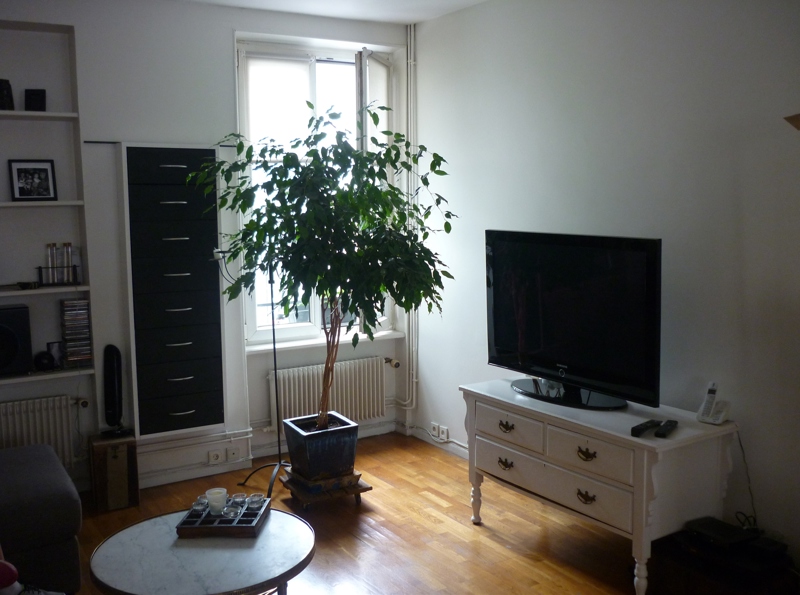
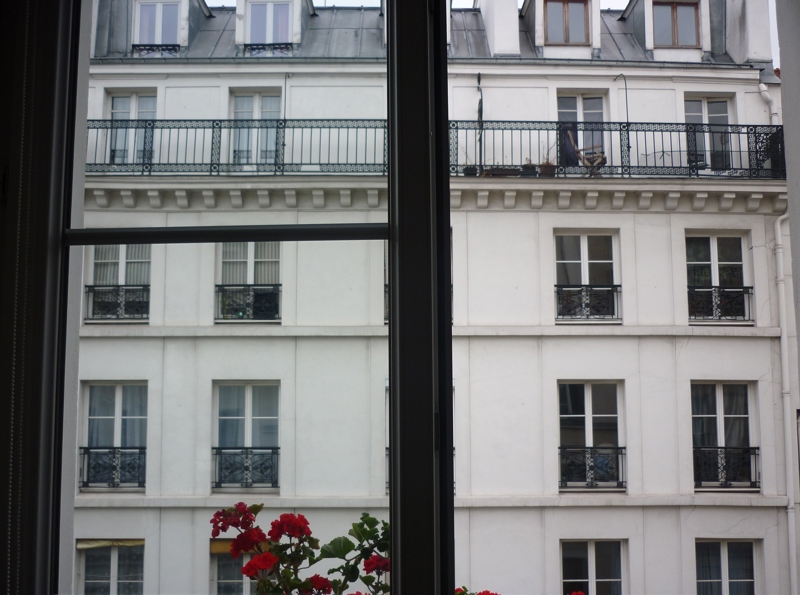
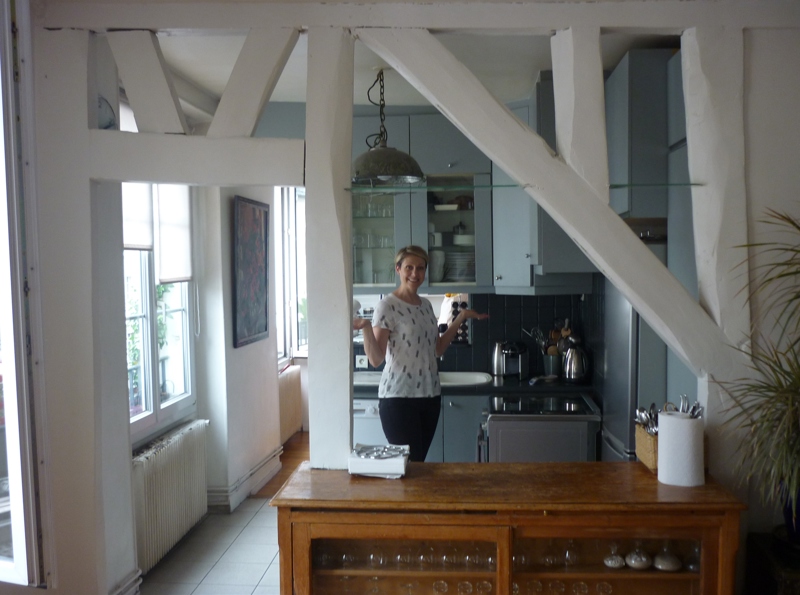
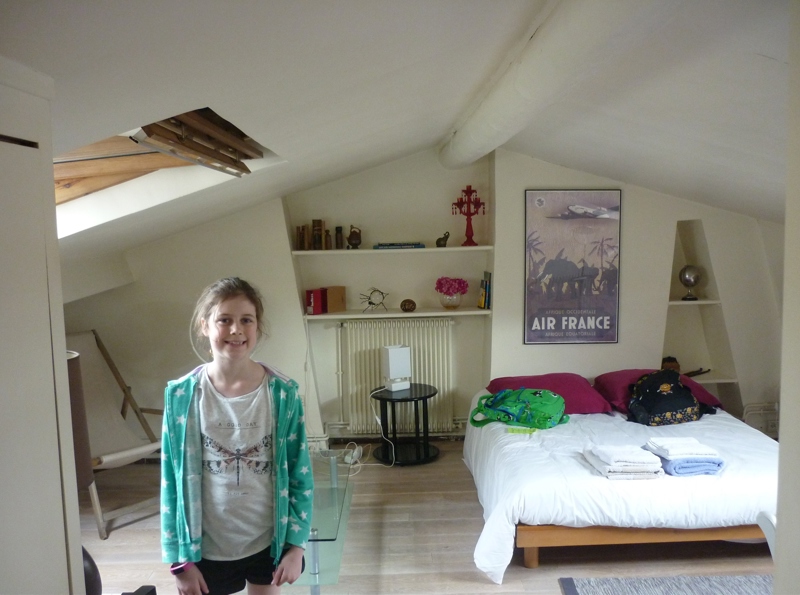
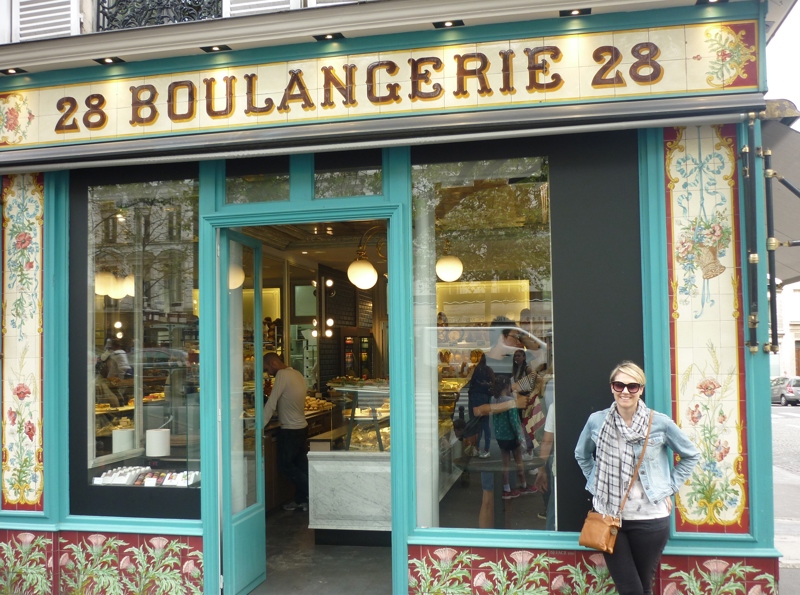
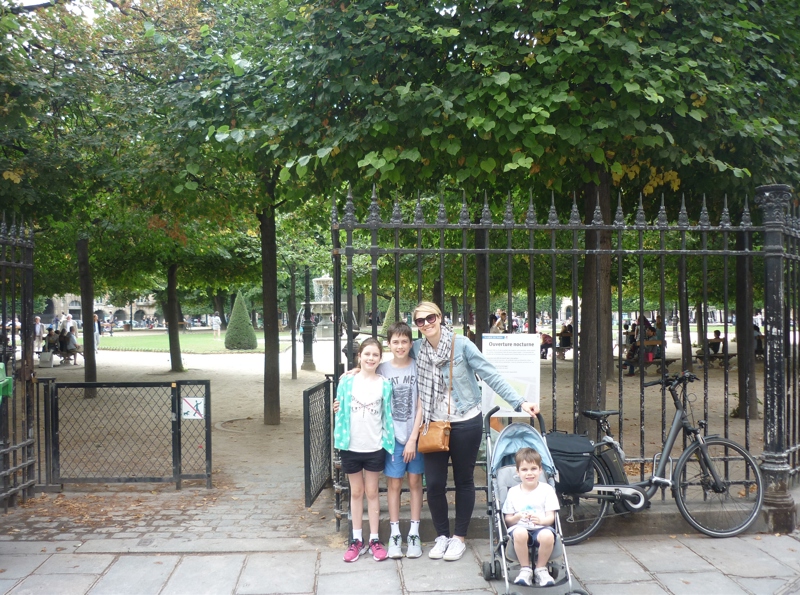
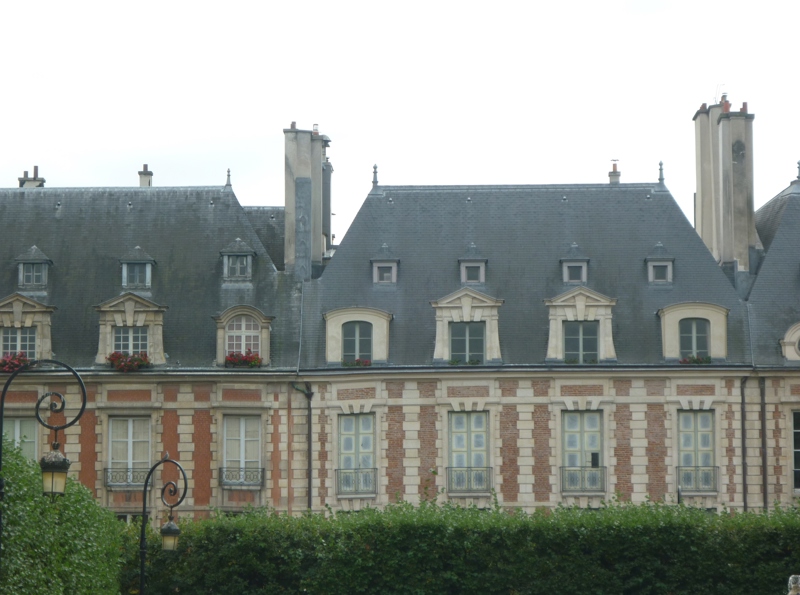
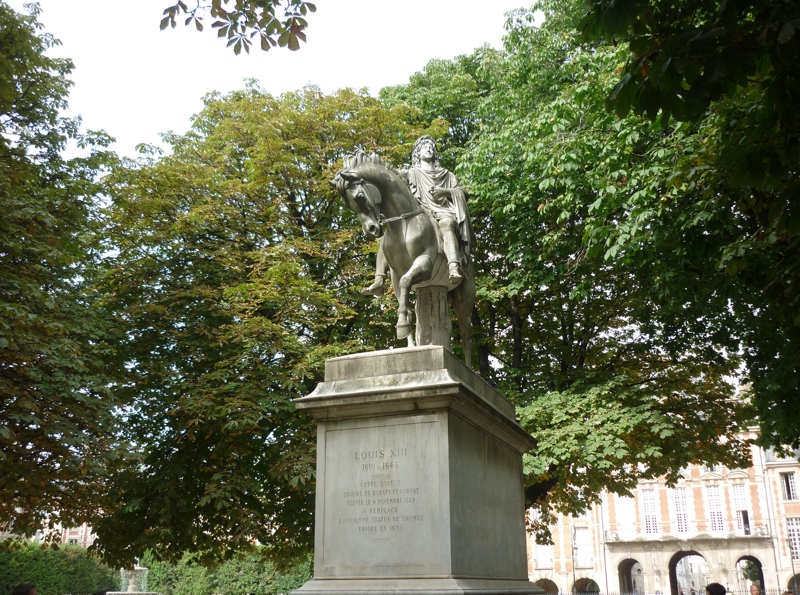
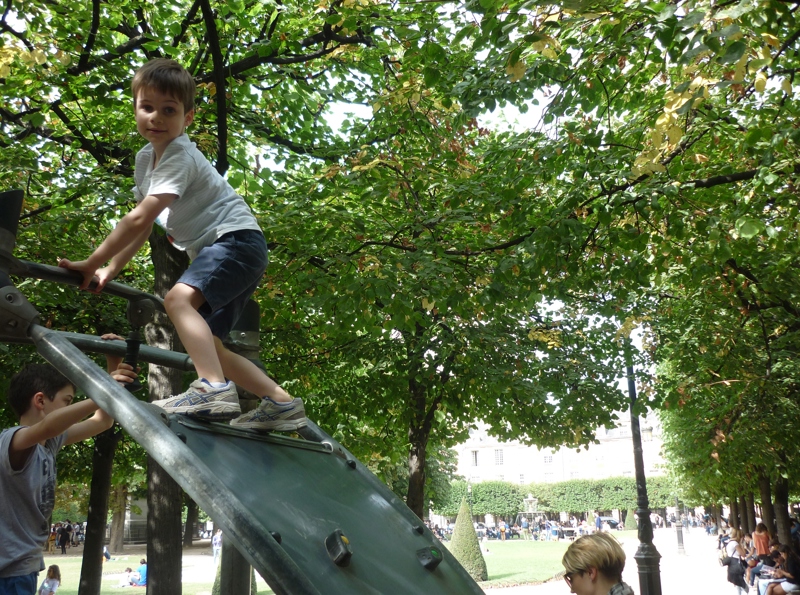
The driver helped us out at number five Rue de la Roquette, and luckily I had the four-digit door code handy to access the building front door, as the footpath was narrow, busy, and no place for housing four cases for any period of time. Entering through the solid front door, we were lucky the swipe access for the heavy steel gate within the foyer wasn’t working, allowing us to follow the uneven steps up a tight, almost spiral staircase. At the top we were greeted by Nathalie, who was absolutely lovely. She had a couple of baguettes, chocolates and a bottle of wine waiting for us, and the apartment was ten times better than our London dump. The space occupies the entire third floor of an old 1900s building. There’s an upstairs two-bedroom attic with a low cathedral ceiling and Velux roof windows, with good views across the adjoining streets. Downstairs was full of polished floorboards, exposed structural beams, high ceilings, tasteful furnishings and lots of space. Many of the windows were left open and a gentle breeze was blowing through – perfect! After settling in we went for a walk to our favourite park from our last visit ten years ago – Place des Vosges. It’s the oldest planned square in Paris and one of the best in the city. We let the kids play on some play equipment for almost an hour before returning home, picking up a Metro map on the way.

James Burnet
34 chapters
15 Apr 2020
Day 14
TGV to Paris
St Pancras Station is the international gateway for train travel departing London. The trains from the continent used to terminate at Waterloo station, however the French objected to being constantly reminded of one of their greatest military defeats every time they arrived by train in the UK. So in 2007 the international services were transferred to St Pancras, named after a Roman citizen who converted to Christianity…… only to be beheaded for his endeavours at the tender age of fourteen.
We had pre-booked car transport large enough for five passengers, four suitcases and a stroller……. and so the driver arrives with a car for four passengers and barely enough boot space. I was open to taking our favourite double decker bus from the front door to Vauxhall station, as from there it’s only about five stops direct to St Pancras with wheelchair access, however Amelia was having none of that, so we instead travelled by car with Oscar on my lap.
On arrival our boarding passes were scanned and we then went straight through security, and then two sets of immigration – first we had our passports scanned as we officially departed the UK and then we walked five meters to a French station and dug out the passports our again for stamping and official entry into France (which was logical and efficient however it did feel odd as we were still in the middle of London).
We’d booked four seats facing each other with a small table in the middle on one side of the 300m train, which worked perfectly for us – even more so because I had three seats around me free on the other side. Spreading ourselves out, we stopped just once in the UK before arriving in Paris approximately two and a half hours later.
High speed (approximately 300km/hr) train travel is quite unlike anything we experience in Australia. The train goes so fast you feel a bit sick if you try and look at anything close by that’s flying past, especially if you’re facing backwards. In the London to Dover section we were in and out of tunnels and when above ground everything was a blur. There’s a strange sensation as your ears equalise rapidly as the train climbs and descends up hills and through tunnels. The channel crossing is quick, maybe twenty minutes in duration, and in no time we were through and noticing the high wire fences on the Calais side in an effort to secure the tunnel entrance. On the French side there’s more open space, and if you could put the rushing foreground to one side, it’s possible to get a good look at the acres of paddocks and farmlands, windmills and odd villages as they quickly pass.
It felt like we arrived in Paris in no time and we then beat off a few transport sharks at Gare du Nord who offered us €60 (around AUD$90) to drive us the short distance to the Bastille area. The regular taxi (seven seater plus large luggage area) service was perfect – prompt, efficient and costing €17 instead.
The driver helped us out at number five Rue de la Roquette, and luckily I had the four-digit door code handy to access the building front door, as the footpath was narrow, busy, and no place for housing four cases for any period of time. Entering through the solid front door, we were lucky the swipe access for the heavy steel gate within the foyer wasn’t working, allowing us to follow the uneven steps up a tight, almost spiral staircase. At the top we were greeted by Nathalie, who was absolutely lovely. She had a couple of baguettes, chocolates and a bottle of wine waiting for us, and the apartment was ten times better than our London dump. The space occupies the entire third floor of an old 1900s building. There’s an upstairs two-bedroom attic with a low cathedral ceiling and Velux roof windows, with good views across the adjoining streets. Downstairs was full of polished floorboards, exposed structural beams, high ceilings, tasteful furnishings and lots of space. Many of the windows were left open and a gentle breeze was blowing through – perfect! After settling in we went for a walk to our favourite park from our last visit ten years ago – Place des Vosges. It’s the oldest planned square in Paris and one of the best in the city. We let the kids play on some play equipment for almost an hour before returning home, picking up a Metro map on the way.